The day I finally admitted I am the caretaker, not the owner
Sitting down with Thomas Parmalee
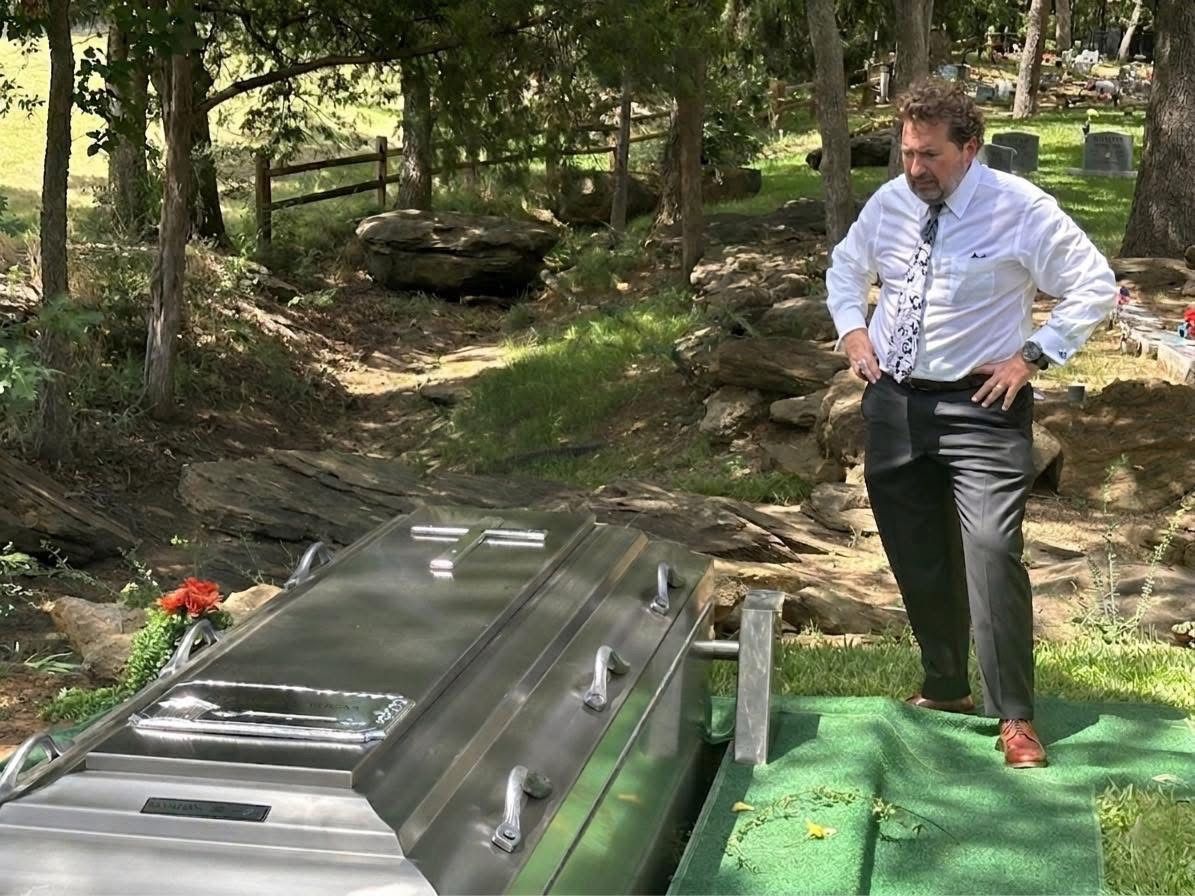
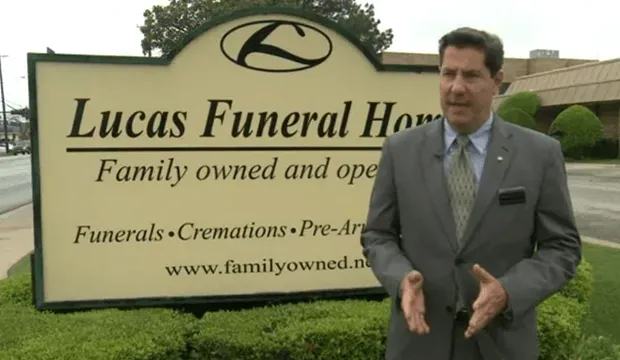
When Thomas Parmalee from Funeral Vision sat down with me, I thought we were going to talk about the usual things people ask a funeral home owner. Locations. Growth. Cremation. Leadership. Maybe a few stories about my dad. Maybe one or two mildly embarrassing childhood memories, if he was lucky.
Then he asked me how I see myself.
That is a dangerous question to ask a funeral director before he has finished his coffee.
I could have said owner. That would have been accurate on paper. I could have said funeral director. That is accurate on my license. I could have said sixth generation funeral professional, which sounds impressive until you remember that the first Lucas in funeral service was selling pine boxes from a wagon in the 1860s and probably would have laughed at half the words we use today.
What came out of my mouth was caretaker.
That word has followed me around ever since.
I grew up thinking the funeral home was normal
The article reminded me how odd my childhood probably sounds to normal people.
If I got into trouble at home, my punishment was not being grounded in my room. My punishment was being dropped off at the funeral home. My dad was on call, and one of us kids would stay overnight with him. The funny part is that we argued over whose turn it was.
There is no clean way to explain that to someone who did not grow up in funeral service. We were not trying to be strange. We were just Lucas kids. Dad would wake me up if a call came in and tell me, "If you need me, just knock on the embalming room door."
At the time, that sounded completely reasonable.
Looking back, I realize those nights taught me more than I understood. I learned that funeral service is not really about buildings, caskets, paperwork, or even ceremonies. Those things matter, but they are not the heart of it. The heart of it is showing up when a family needs somebody steady.
That is the job. Show up. Answer the phone. Walk in quietly. Do what needs to be done.
The Lucas name was not handed to me wrapped in a bow
People hear "sixth generation" and assume I inherited some perfectly polished family empire with the keys laid on a velvet pillow.
That is not how it happened.
My father, Jim Lucas, sold the family funeral homes to Service Corporation International in 1984. Years later, when I asked him if he would ever consider owning funeral homes again, he did not hesitate. I think a piece of his heart had been waiting for that question.
We were not reclaiming a debt-free business. We started over.
One former family funeral home became available. The deal required buying additional locations. Suddenly we were not just dreaming about being back in funeral service. We were back in it, with debt, responsibility, buildings, coworkers, families, and all the daily surprises that make ownership such a spiritual workout.
Over time, we grew. At one point we had 22 locations. Then we stepped back and made the decision to tighten our footprint. I learned something about myself during that season. I do better when I can be present. I like being able to drive to a location. I like checking on people. I like knowing what is happening with the families and coworkers under our care.
Growth only makes sense if service keeps up with it.
My dad is still the ambassador
My dad still comes to work almost every day. He is 80 now, and I call him our ambassador because that is exactly what he is.
He loves people. He remembers names. He knows how to enter a room without making it about himself. I have watched him do that my whole life, and I am still trying to get half as good at it.
My grandmother Mildred shaped me too. She was licensed at a time when funeral service was still mostly men. She helped hold the family business together after losing her husband and later her son. She worked services until the day before she died at 96.
That is not a work ethic. That is a calling with sensible shoes on.
My mom, Taresa, was the magic and the glue. She was a social worker, and people called her Mother Taresa for a reason. She did not work in the funeral home every day, but she helped teach me how to see people. That matters in this profession. You cannot serve families well if you only see the case file.
I tried to get away from funeral service, sort of
As a kid, I thought about becoming a bush pilot in Alaska. Then maybe a firefighter. Then maybe an ambulance driver. Apparently I had a theme. I wanted to go where something was happening and be useful.
In college, I worked as a YMCA camp director. One day a child arrived with burns on his arm, and it became clear those injuries were not an accident. That moment changed me. I switched to social work and became a Child Protective Services investigator in New Mexico.
That work taught me empathy the hard way. It taught me to meet people where they are, not where I wish they were. It also taught me that families in crisis do not need speeches. They need someone calm enough to help with the next step.
Years later, when I found my way back to funeral service, I realized I had not taken a detour. I had been training.
Location leaders, not managers
At Lucas Funeral Homes, we do not talk much about managers anymore. We talk about location leaders.
That is not a cute vocabulary trick. A manager manages a business. A leader leads people.
Families can tell the difference. Coworkers can too.
I do not like calling people employees. They are coworkers. I do not care if someone has been here 40 years or 40 minutes. If they see something that could help a family, I want to hear it.
The article captured that part of our culture well. We invest in leadership development and training because families deserve people who are prepared, not just licensed. Continuing education should be more than checking a box. If all we do is meet the minimum requirement, families will feel it.
The what never changes. We care for families with compassion, dignity, and presence. The how has to keep growing.
The old promise still has a pulse
The buildings are newer. The phones are smarter. The paperwork is digital. Artificial intelligence now helps answer some calls. We operate funeral homes, cremation centers, and brands my great-great-great-grandfather could not have imagined.
Still, the promise is old.
A family calls. Someone answers.
A family is overwhelmed. Someone guides them.
A family trusts us with a person they love. Someone treats that trust like it is sacred.
That is why I said caretaker. The Lucas name does not belong to me like a possession. It belongs to the families who trusted it before I was born, the coworkers carrying it with me now, and the people who will decide what it means after I am gone.
I am one chapter.
If I do my part right, the next chapter will still sound like us.